
Embark on a journey through the world of fiber cement siding installation, where durability meets beauty. Discover the ins and outs of this versatile material and learn the key steps to a successful installation process.
Introduction to Fiber Cement Siding Installation
Fiber cement siding is a durable and low-maintenance building material made from a combination of cement, sand, and cellulose fibers. It is known for its ability to withstand harsh weather conditions, resist pests, and maintain its appearance over time.One of the key benefits of fiber cement siding is its longevity.
Unlike traditional wood siding, fiber cement does not rot, warp, or crack easily, making it a cost-effective option in the long run. Additionally, fiber cement is fire-resistant and can mimic the look of wood, brick, or stucco, providing versatility in design options.Proper installation of fiber cement siding is crucial to ensure its durability and performance.
It is essential to follow manufacturer guidelines and use the correct tools and techniques to prevent water infiltration, cracking, or other issues that may compromise the integrity of the siding.
Importance of Proper Installation Techniques
- Ensure proper flashing and sealing to prevent water damage.
- Use stainless steel nails or screws to secure the siding in place.
- Maintain proper clearances and ventilation to prevent moisture buildup.
- Follow best practices for cutting and handling fiber cement to avoid exposure to harmful dust.
Tools and Materials Needed
When it comes to fiber cement siding installation, having the right tools and materials is crucial to ensure a smooth and successful process. Here are the essential items you will need:
Tools Required:
- Utility knife
- Tin snips
- Circular saw with a carbide-tipped blade
- Caulk gun
- Hammer
- Tape measure
- Chalk line
- Level
- Speed square
- Work gloves and safety goggles
Types of Fiber Cement Siding:
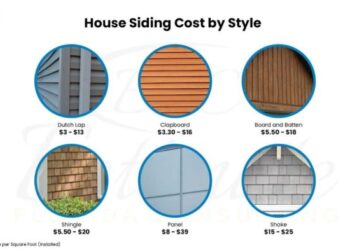
- Plank Siding: Long, horizontal boards that mimic traditional wood siding.
- Shingle Siding: Individual pieces that resemble cedar shingles.
- Panel Siding: Large sheets that can be installed vertically or horizontally.
Materials Needed:
- Fiber cement siding panels
- Nails or screws
- House wrap or moisture barrier
- Flashing
- Joint flashing
- Caulk
- Paint or primer
- Trim pieces
Pre-Installation Preparation
Before installing fiber cement siding, it is crucial to properly prepare the exterior surface to ensure a successful and long-lasting installation. This involves checking for moisture issues, ensuring a flat and even surface, and taking necessary precautions to prevent any potential problems.
Checking for Moisture Issues
It is important to thoroughly inspect the exterior surface for any signs of moisture issues before installing fiber cement siding. Moisture can cause damage to the siding and compromise its durability over time. Look for signs of water damage, such as rotting wood, mold, or mildew.
Use a moisture meter to check the moisture levels in the walls and make sure they are within acceptable limits before proceeding with the installation.
Ensuring a Flat and Even Surface
Fiber cement siding requires a flat and even surface for proper installation. Any bumps, dips, or uneven areas on the exterior walls can affect the appearance and performance of the siding
Fill in any gaps or holes with an appropriate filler and sand down rough areas to create a smooth surface for the siding to be installed on.
Installation Process
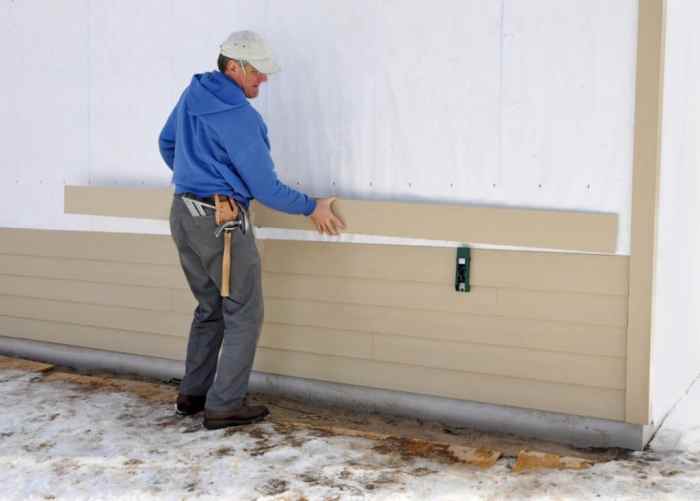
When it comes to installing fiber cement siding, it is important to follow a step-by-step process to ensure a proper and secure installation. This includes properly cutting and fitting the siding panels, as well as securely fastening them in place.
Cutting and Fitting Siding Panels
To cut fiber cement siding panels, it is best to use a circular saw with a diamond-tipped blade to prevent chipping. Make sure to measure and mark the panels accurately before cutting to ensure a precise fit. When fitting the panels, leave a small gap between each panel to allow for expansion and contraction.
Securing the Siding in Place
Once the siding panels are cut and fitted, it is time to secure them in place. Use corrosion-resistant nails or screws to attach the panels to the wall studs. Make sure to nail or screw the panels into the nailing flange to ensure a secure attachment.
Additionally, it is recommended to follow the manufacturer's guidelines for spacing and fastening requirements to prevent any issues down the line.
Finishing and Maintenance
When it comes to fiber cement siding, proper finishing and maintenance are key to ensuring its longevity and appearance. Here are some guidelines to help you finish and maintain your fiber cement siding:
Finishing the Edges and Corners
- Use a specialized fiber cement saw to cut the siding to fit neatly around edges and corners.
- Sand down any rough edges to create a smooth finish.
- Apply caulking to seal any gaps between siding pieces for added protection against moisture.
- Consider using corner trims to provide a clean and polished look to the corners of your siding.
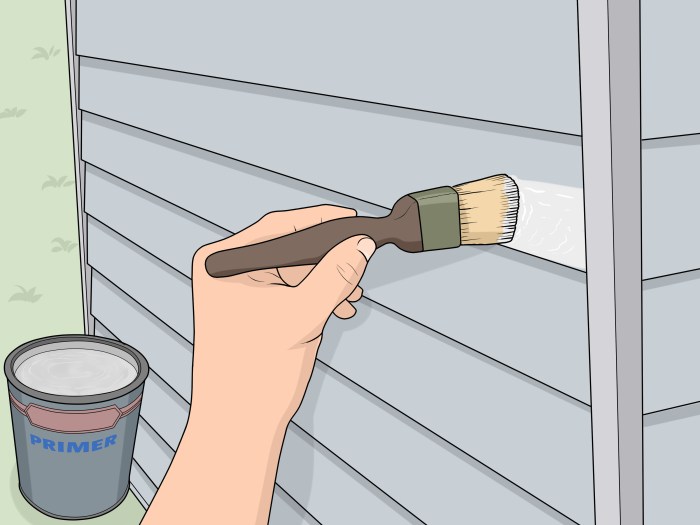
Painting or Sealing Fiber Cement Siding
- Make sure the siding is clean and dry before painting or sealing to ensure adhesion.
- Choose a high-quality exterior paint or sealant specifically designed for fiber cement siding.
- Apply at least two coats of paint or sealant, following the manufacturer's instructions for best results.
- Regularly inspect the siding for any signs of peeling or cracking paint, and touch up as needed to maintain its protective barrier.
Maintenance Tips for Fiber Cement Siding
- Regularly clean the siding with a gentle soap and water solution to remove dirt and debris.
- Inspect the siding for any signs of damage, such as chips or cracks, and repair them promptly to prevent moisture infiltration.
- Trim any nearby trees or bushes to prevent branches from rubbing against the siding and causing damage.
- Avoid using high-pressure washers, as they can damage the surface of the siding.
Closure
As we conclude our exploration of fiber cement siding installation, remember that proper preparation and maintenance are key to maximizing the longevity of your siding. With the right tools and techniques, you can enjoy the benefits of fiber cement for years to come.
Top FAQs
What are the advantages of fiber cement siding?
Fiber cement siding is known for its durability, resistance to fire and pests, low maintenance requirements, and versatility in design options.
How do I prepare the exterior surface for fiber cement siding installation?
To prepare the surface, you need to clean it thoroughly, remove any existing siding, repair any damage, and ensure it is flat and even.
Can fiber cement siding be painted?
Yes, fiber cement siding can be painted to refresh its appearance or change the color to suit your preference.
What tools are essential for installing fiber cement siding?
Essential tools include a circular saw, a nail gun, a tape measure, safety gear, and a caulking gun.