
Embark on a journey through the world of vinyl siding installation contractors, where expertise meets precision. This guide delves into the intricacies of choosing the right professionals for your home improvement projects, ensuring a seamless and top-notch experience.
Discover the key factors to consider when entrusting your vinyl siding installation to the experts, making your vision a reality with finesse.
Overview of Vinyl Siding Installation Contractors
Vinyl siding installation contractors play a crucial role in home improvement projects by providing expertise in the installation of vinyl siding, a popular choice for homeowners due to its durability, low maintenance, and aesthetic appeal.
Benefits of Hiring Professional Contractors for Vinyl Siding Installation
- Expertise: Professional contractors have the necessary skills and experience to ensure proper installation, minimizing the risk of errors or damage.
- Time-saving: Hiring professionals can save time as they work efficiently and effectively, completing the project in a timely manner.
- Quality workmanship: Professional contractors deliver high-quality work that meets industry standards, ensuring a long-lasting and visually appealing finish.
- Warranty: Many professional contractors offer warranties on their work, providing peace of mind to homeowners in case of any issues post-installation.
Key Considerations When Selecting Vinyl Siding Installation Contractors
- Reputation: Research and read reviews to ensure the contractor has a good reputation for quality work and customer satisfaction.
- Experience: Look for contractors with a proven track record of successful vinyl siding installations to ensure expertise in the field.
- Licensing and Insurance: Verify that the contractor is licensed and insured to protect yourself from liability in case of accidents or damage during the project.
- Cost: Get quotes from multiple contractors to compare prices and ensure you are getting a fair and competitive rate for the installation.
Qualifications and Certifications
When hiring a vinyl siding installation contractor, it is crucial to consider their qualifications and certifications to ensure they have the necessary skills and expertise for the job. Contractors with the right qualifications and certifications are more likely to deliver high-quality work and adhere to industry standards.
Qualifications for Vinyl Siding Installation Contractors
- Proper training in vinyl siding installation techniques and best practices.
- Experience in handling different types of siding materials and understanding their specific requirements.
- Knowledge of safety protocols and building codes related to siding installation.
Certifications for Vinyl Siding Installation Contractors
- Vinyl Siding Institute (VSI) certification, which demonstrates proficiency in vinyl siding installation and knowledge of industry standards.
- Manufacturer certifications from leading siding manufacturers, indicating expertise in working with their products.
Importance of Licensing vs. Certification
Licensing is a legal requirement that allows contractors to operate in a specific area, ensuring they meet minimum standards set by local authorities. On the other hand, certification is a voluntary process that demonstrates a contractor's commitment to professionalism and excellence in their field.
Industry Standards for Vinyl Siding Installation
- Following manufacturer guidelines for proper installation of vinyl siding to ensure durability and performance.
- Adhering to building codes and regulations to guarantee the safety and structural integrity of the siding installation.
- Maintaining quality control measures throughout the installation process to deliver a finished product that meets or exceeds customer expectations.
Vinyl Siding Materials and Options
When it comes to vinyl siding materials, contractors typically work with various options to meet the specific needs of homeowners. Understanding the pros and cons of each type of vinyl siding material is crucial in helping homeowners make informed decisions for their homes.
Different Types of Vinyl Siding Materials
- Traditional Vinyl Siding: This is the most common type of vinyl siding used by contractors. It is cost-effective, easy to install, and comes in a wide range of colors and styles.
- Insulated Vinyl Siding: This type of vinyl siding has added insulation to improve energy efficiency and reduce heating and cooling costs.
- Vertical Vinyl Siding: Vertical vinyl siding offers a unique look and can be a great option for contemporary or modern-style homes.
- Shake and Shingle Vinyl Siding: Mimicking the look of real wood, shake and shingle vinyl siding provides a classic and timeless appearance.
Pros and Cons of Each Type of Vinyl Siding Material
- Traditional Vinyl Siding:
- Pros: Affordable, easy to maintain, versatile in design options.
- Cons: Prone to fading, may crack or warp over time.
- Insulated Vinyl Siding:
- Pros: Increased energy efficiency, improved sound insulation.
- Cons: Higher initial cost, may require professional installation.
- Vertical Vinyl Siding:
- Pros: Modern and unique look, can make a statement on the exterior of the home.
- Cons: Limited availability in colors and styles, may be more challenging to install.
- Shake and Shingle Vinyl Siding:
- Pros: Resembles the look of real wood, classic and elegant appearance.
- Cons: Higher cost compared to traditional vinyl siding, may not be suitable for all home styles.
How Contractors Help Homeowners Choose the Best Vinyl Siding Options
Contractors play a crucial role in guiding homeowners through the selection process of vinyl siding options. They assess the homeowner's needs, preferences, budget, and the overall style of the home to recommend the most suitable vinyl siding material. By providing expert advice and showcasing samples, contractors help homeowners visualize the end result and make informed choices that enhance both the aesthetics and functionality of their homes.
Installation Process and Techniques
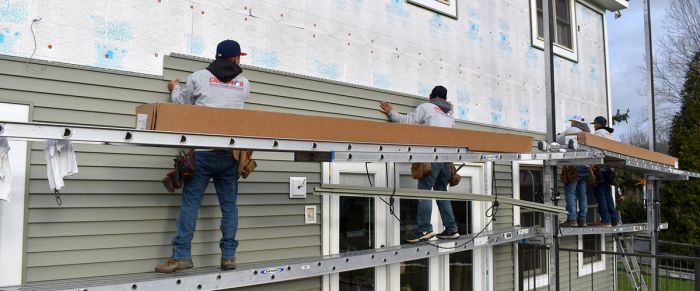
Installing vinyl siding involves a detailed process that requires precision and expertise. Contractors utilize advanced techniques to ensure efficient and high-quality installations. Homeowners can follow some tips to facilitate a successful collaboration with vinyl siding installation contractors.
Step-by-Step Installation Process
- Preparation of the exterior wall surface by cleaning and inspecting for any damage or imperfections.
- Measurement and cutting of the vinyl siding panels to fit the dimensions of the wall.
- Installation of the starter strip at the bottom of the wall to provide a secure base for the siding panels.
- Securing the siding panels to the wall using nails or screws, ensuring proper alignment and spacing.
- Incorporating J-channels around windows, doors, and corners for a clean and finished look.
- Trimming and finishing touches to complete the installation process.
Advanced Techniques and Technologies
- Utilization of nail hemming tools to securely fasten siding panels without causing damage.
- Use of laser levels for precise alignment and spacing of the siding panels.
- Installation of insulation board beneath the siding to improve energy efficiency and insulation.
- Integration of vinyl siding accessories such as vents, shutters, and trim pieces for enhanced aesthetics.
Tips for Homeowners
- Communicate clearly with the contractor regarding your expectations and preferences for the installation.
- Ask for references or examples of previous work to ensure the contractor's expertise and quality of installations.
- Discuss the timeline and budget upfront to avoid any misunderstandings during the project.
- Regularly inspect the progress of the installation to address any concerns or issues promptly.
Cost Factors and Estimates
When it comes to vinyl siding installation projects, understanding the cost factors involved is crucial for homeowners looking to undertake this home improvement. By breaking down these factors and providing guidance on how to obtain accurate estimates from contractors, homeowners can make informed decisions and plan their budget effectively.
Cost Factors in Vinyl Siding Installation
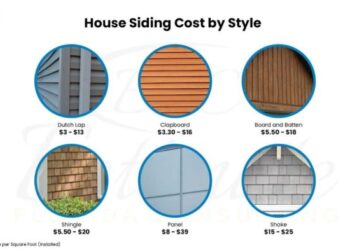
- The size of the home: The square footage of the house plays a significant role in determining the overall cost of vinyl siding installation. Larger homes will require more materials and labor, resulting in higher expenses.
- Type and quality of vinyl siding: The cost of vinyl siding can vary based on the brand, quality, and style chosen. Higher-quality materials may come at a higher price but offer better durability and aesthetics.
- Additional materials and accessories: Factors such as insulation, trim pieces, soffits, and fascia can add to the total cost of the project. These extra materials enhance the performance and appearance of the siding.
- Labor costs: The complexity of the installation, accessibility of the site, and labor rates in the region can impact the labor costs. Skilled contractors may charge higher rates for their expertise.
- Permit and inspection fees: Depending on local regulations, homeowners may need to obtain permits for the installation of vinyl siding. Inspection fees may also apply to ensure compliance with building codes.
Obtaining Accurate Estimates
- Request multiple quotes: Reach out to several vinyl siding installation contractors to compare their estimates. This allows homeowners to get a better understanding of the average cost and choose the best offer.
- Provide detailed information: To receive accurate estimates, homeowners should provide contractors with detailed information about the project, including the size of the home, desired materials, and any specific requirements.
- Avoid lowball offers: Be cautious of extremely low estimates, as they may indicate subpar materials or workmanship. It's essential to balance cost with quality to ensure a satisfactory outcome.
Pricing Models Used by Contractors
- Per square foot pricing: Some contractors may offer a per square foot rate for vinyl siding installation, which simplifies cost estimation based on the size of the home.
- Fixed project pricing: In this model, contractors provide a total cost for the entire project, taking into account all materials, labor, and additional expenses. This approach offers a clear picture of the overall cost.
- Hourly rates: Certain contractors may charge by the hour for labor, especially for smaller projects or repairs. Homeowners should clarify the hourly rate and estimated hours required for the job.
Maintenance and Warranty
Regular maintenance is crucial for preserving the appearance and functionality of vinyl siding installed by contractors. It helps prevent damage, extend the lifespan of the siding, and maintain the overall curb appeal of the home.
Importance of Regular Maintenance
- Inspect the siding annually for any signs of damage, such as cracks, warping, or discoloration.
- Clean the siding at least once a year to remove dirt, mold, and mildew buildup.
- Trim any trees or bushes near the siding to prevent scratches or damage.
- Check for proper sealing and caulking around windows, doors, and other openings to prevent water infiltration.
Warranties Offered by Vinyl Siding Installation Contractors
- Most contractors offer a manufacturer's warranty on the vinyl siding itself, covering defects in materials and workmanship.
- Some contractors may also provide a separate installation warranty, ensuring that the siding is installed correctly.
- Warranties typically range from 10 to 30 years, depending on the quality of the siding and the contractor.
Tips for Extending Vinyl Siding Lifespan
- Regularly clean the siding with a mild detergent and water to remove dirt and grime.
- Avoid using high-pressure washers, as they can damage the siding's surface.
- Inspect the siding for any signs of damage and repair them promptly to prevent further issues.
- Avoid painting the siding, as it can void the warranty and cause damage to the material.
Closure
In conclusion, navigating the realm of vinyl siding installation contractors unveils a realm of possibilities for homeowners seeking quality and reliability. Embrace the expertise, embrace the transformation – your dream home is just a contractor away.
Detailed FAQs
What qualifications should I look for in vinyl siding installation contractors?
Reputable contractors should possess certifications, licensing, and adhere to industry standards.
How do I choose the best vinyl siding option for my home?
Contractors can help homeowners select the most suitable vinyl siding materials based on their specific needs.
What are the typical cost factors for vinyl siding installation projects?
Cost factors include materials, labor, and any additional services required for the installation.
How can homeowners extend the lifespan of their vinyl siding?
Regular maintenance and following the warranty guidelines provided by the contractors can help prolong the lifespan of vinyl siding.