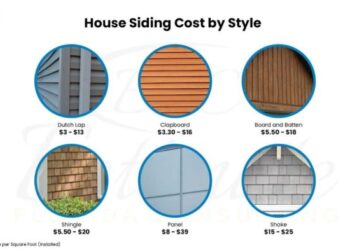

Delve into the world of house siding installation costs as we uncover the factors that influence pricing, the types of materials available, and the labor costs involved. Get ready for an informative journey that will help you make informed decisions for your home.
Factors Affecting House Siding Installation Cost
When it comes to determining the cost of installing house siding, several factors come into play. These factors can significantly impact the overall price you can expect to pay for the project.
Material Choice Impact
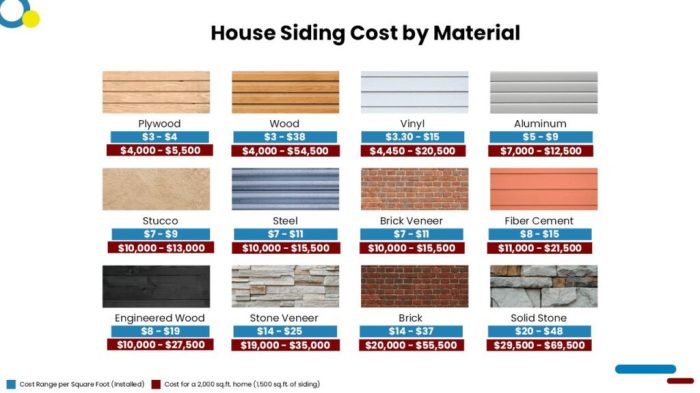
The choice of siding material is one of the primary factors that influence the cost of installation. Different materials come at varying price points, with some being more expensive than others. For example, vinyl siding is generally more affordable compared to options like wood or fiber cement.
Additionally, the quality and durability of the material can also affect the cost, as higher-quality materials tend to cost more upfront.
Labor Costs Role
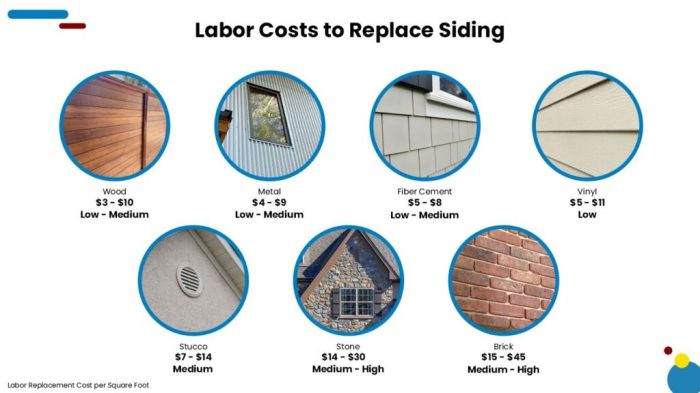
Labor costs play a crucial role in determining the total installation cost of house siding. The rates charged by contractors for their services can vary based on factors such as experience, location, and demand. More experienced and reputable contractors may charge higher rates for their expertise, which can impact the overall cost of the project.
Additionally, the size and scope of the project can also influence labor costs, as more extensive or complex installations may require additional manpower and time.
Project Size and Complexity Influence
The size and complexity of the project can have a significant impact on the pricing of house siding installation. Larger homes with more surface area to cover will naturally cost more to side compared to smaller residences. Similarly, projects that involve intricate designs, multiple stories, or unique architectural features can require additional time and effort from contractors, resulting in higher installation costs.
It's essential to consider the specific requirements of your project when estimating the overall cost of house siding installation.
Types of House Siding Materials
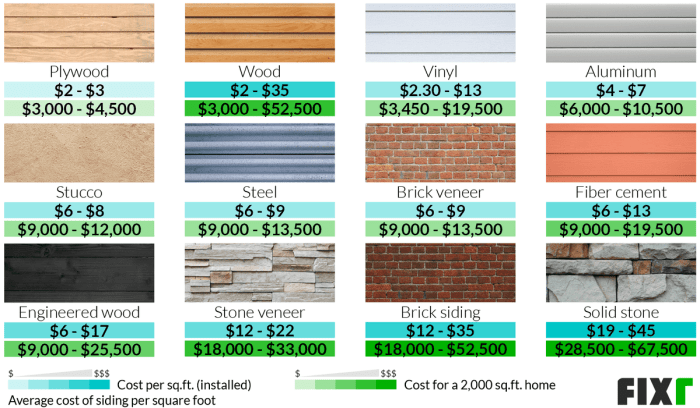
When it comes to house siding materials, there are several options available, each with its own cost, durability, and maintenance considerations.Vinyl Siding:Vinyl siding is a popular choice due to its affordability and low maintenance requirements. The upfront cost of vinyl siding is relatively low compared to other materials, making it a cost-effective option for many homeowners.
However, it may not be as durable as other materials like wood or fiber cement, and it can be prone to fading and cracking over time.Wood Siding:Wood siding offers a natural and traditional look to a home, but it typically comes with a higher upfront cost than vinyl.
The long-term value of wood siding can be significant if properly maintained, as it can last for many years with regular upkeep. However, wood siding requires more maintenance than other materials, including painting or staining to protect it from the elements.Fiber Cement Siding:Fiber cement siding is a durable and low-maintenance option that offers the look of wood without the same level of upkeep.
While the upfront cost of fiber cement siding may be higher than vinyl, it is often more affordable than wood siding. Fiber cement siding is resistant to rot, fire, and pests, making it a long-lasting option for homeowners looking for durability.Other Popular Siding Materials:There are other siding materials available, such as metal, stucco, and brick, each with its own cost and maintenance requirements.
Metal siding can be a cost-effective and durable option, while stucco and brick offer unique aesthetic appeal but may come with higher upfront costs.Overall, the choice of house siding material will depend on factors such as budget, desired aesthetics, and long-term maintenance considerations.
It's essential to weigh the upfront costs against the long-term value of each option to make an informed decision for your home.
Labor Costs and Installation Procedures
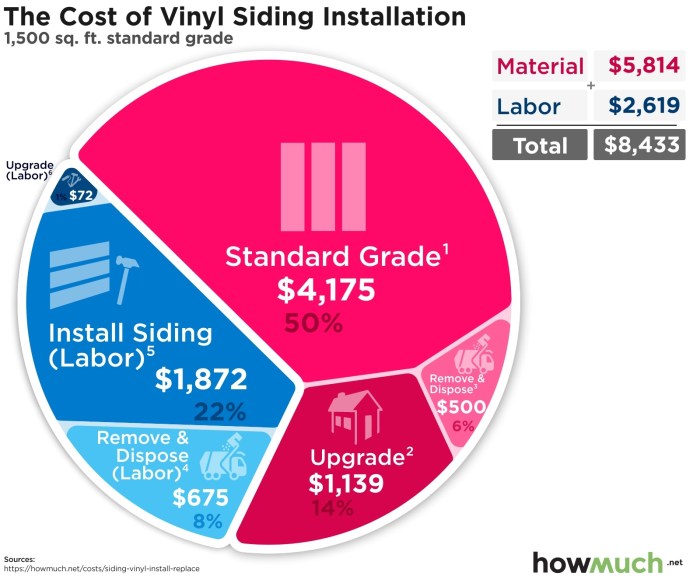
When it comes to house siding installations, labor costs play a significant role in the overall pricing. Understanding how these costs are calculated and the installation procedures for different types of siding materials can help homeowners make informed decisions.
Labor Costs Calculation
- Labor costs are typically calculated based on the size of the project, complexity of the installation, and the hourly rate of the contractors.
- Most contractors charge a per square foot rate for siding installation, which can vary depending on the region and the experience of the contractor.
- Additional factors such as removal of existing siding, preparation of the surface, and any necessary repairs can also impact labor costs.
Installation Procedures
Below are the typical installation procedures for different types of siding materials:
Vinyl Siding:
- Measure and cut the siding panels to fit the walls.
- Install starter strips and corner posts.
- Attach the siding panels using nails or clips.
- Finish with trim pieces around windows, doors, and corners.
Fiber Cement Siding:
- Prepare the surface by removing old siding and repairing any damage.
- Install moisture barrier and trim pieces.
- Attach the fiber cement panels using screws.
- Apply caulk and paint for finishing touches.
Additional Costs
- Additional costs may arise during the installation phase, such as unexpected structural issues that require repairs.
- Upgrades to insulation or underlayment can also add to the overall cost of the project.
- Permit fees, disposal of old materials, and cleanup expenses should also be taken into account.
Cost Comparison Across Different Regions
When it comes to house siding installation costs, it is important to consider the variations that can occur across different regions. Factors such as labor rates, material availability, and geographical locations can all impact the overall pricing.
Urban vs. Rural Areas
In urban areas, house siding installation costs tend to be higher compared to rural areas. This is primarily due to higher labor rates and increased demand for construction services in urban settings. Additionally, the cost of materials may also be higher in urban areas due to transportation and storage expenses.
Regional Labor Rates and Material Availability
Labor rates can vary significantly from region to region, impacting the overall cost of house siding installation. Areas with higher labor rates will naturally have higher installation costs. Similarly, the availability of certain siding materials can also affect pricing. Regions with limited access to specific materials may have higher costs due to transportation expenses.
Cost Variations Based on Geographical Location
Geographical location plays a significant role in determining house siding installation costs. Regions with extreme weather conditions or unique geographical features may require specialized materials or installation techniques, leading to higher costs. Additionally, areas with high demand for construction services may experience increased pricing due to competition among contractors.
Concluding Remarks
In conclusion, understanding the various aspects of house siding installation costs is crucial for any homeowner looking to renovate or upgrade their property. With this knowledge in hand, you can navigate the complexities of pricing with confidence and clarity.
Frequently Asked Questions
How does material choice impact house siding installation cost?
The material choice significantly affects the overall cost as different materials have varying price points and maintenance requirements.
What factors determine labor costs in house siding installations?
Labor costs are typically determined by the complexity of the project, the skill level required, and the time needed to complete the installation.
Are there additional costs that may arise during the installation phase?
Yes, additional costs such as disposal fees for old siding, repair costs for underlying structures, or unexpected damages can impact the final installation cost.