
Exploring the realm of storm damage exterior repair services, this article delves into the importance of timely repairs, the different types of damages, the assessment process, and the repair techniques involved. From roof leaks to broken windows, we uncover the essential aspects of protecting your property from the aftermath of storms.
Importance of Storm Damage Exterior Repair Services
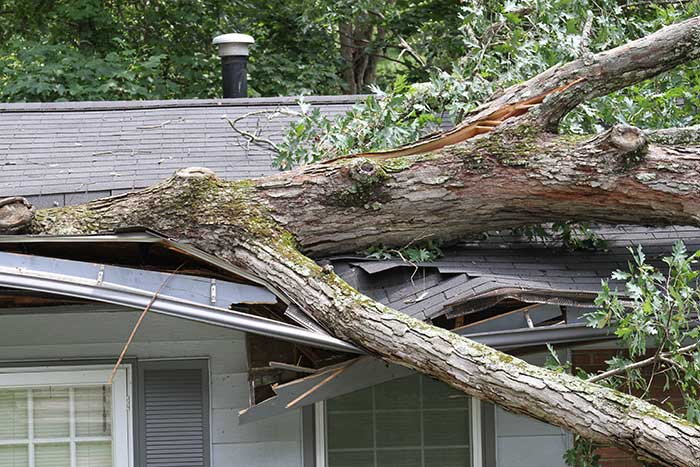
Storm damage exterior repair services are crucial for maintaining the safety and integrity of a property. When a property is damaged by a storm, there can be structural issues that compromise the stability of the building. Timely repair is essential to prevent further damage and costly repairs in the future.
Common Exterior Damages Caused by Storms
- Roof damage: High winds, hail, and heavy rain can cause roof shingles to dislodge or even tear off completely, leading to leaks and water damage.
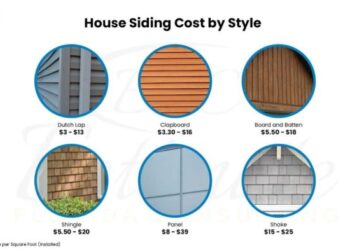
- Siding damage: Flying debris during a storm can crack or break siding panels, leaving the interior of the property exposed to the elements.
- Window and door damage: Impact from debris or strong winds can shatter windows and damage doors, compromising the security and insulation of the property.
- Gutter damage: Heavy rain and wind can cause gutters to clog or detach from the property, leading to water pooling around the foundation and potential flooding.
Types of Storm Damage on Exteriors
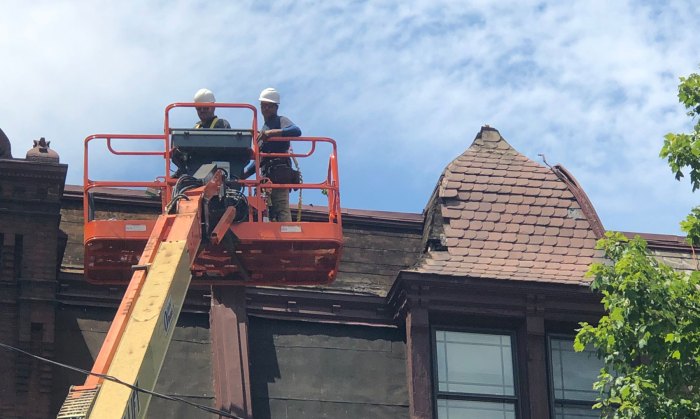
When a storm hits, it can cause various types of damage to the exterior of a building, compromising its structural integrity and safety. It is important to identify and address these damages promptly to prevent further issues.
Roof Damage
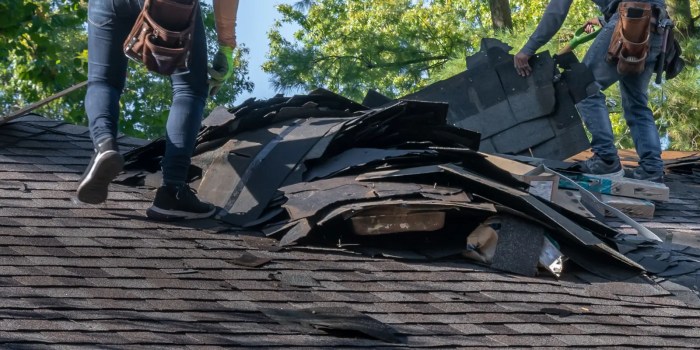
Roof damage is a common occurrence during storms, with high winds, heavy rain, and hail causing issues such as missing or broken shingles, leaks, and cracks. These damages can lead to water infiltration, mold growth, and structural issues if not repaired promptly.
Siding Damage
Siding can also be affected by storms, with damages including cracks, dents, and holes caused by flying debris or strong winds. Damaged siding not only affects the appearance of the building but can also compromise its insulation and energy efficiency.
Window Damage
Windows are vulnerable during storms, with strong winds and hail causing cracks or shattering the glass. Damaged windows can lead to energy loss, water infiltration, and security issues. It is crucial to repair or replace damaged windows to maintain the safety and comfort of the building's occupants.
Process of Assessing Storm Damage
When assessing storm damage on the exterior of a property, professionals follow a systematic approach to determine the extent of the damage and identify areas that need repair. This process is crucial in developing an effective repair plan that addresses all the issues caused by the storm.
Steps Involved in Assessing Storm Damage
- Visual Inspection: Professionals start by conducting a visual inspection of the property to identify any visible signs of damage such as missing shingles, dented siding, or broken windows.
- Documentation: Detailed documentation of the damage is essential for insurance claims and repair planning. Photographs and written descriptions help in accurately assessing the extent of the damage.
- Testing: In some cases, professionals may need to perform tests to determine the structural integrity of the affected areas. This may involve moisture testing, thermal imaging, or other specialized techniques.
- Professional Assessment: Once all the information is gathered, a professional assessment is made to determine the scope of repairs needed. This includes prioritizing repairs based on the severity of the damage.
Repair Techniques for Storm-Damaged Exteriors
When it comes to repairing storm-damaged exteriors, it is essential to use the right techniques to ensure the safety and integrity of the building. Different types of storm damage require specific repair methods, and it is crucial to address them promptly.
Common Repair Techniques
- Roof Damage: Repairing roof damage often involves replacing missing or broken shingles, fixing leaks, and reinforcing the structure to prevent future damage. This may require the use of roofing materials such as asphalt shingles, metal panels, or tiles.
- Siding Damage: For damaged siding, techniques may include replacing individual panels, patching up holes, or reapplying siding material. Common materials used for siding repairs include vinyl, wood, or fiber cement.
- Window and Door Damage: Repairing windows and doors typically involves replacing broken glass, fixing damaged frames, or resealing gaps to prevent drafts and water leaks. Specialized tools such as glass cutters, sealants, and weather-stripping may be used in this process.
Temporary Repairs vs. Permanent Solutions
Temporary repairs are quick fixes to address immediate safety concerns or prevent further damage until a permanent solution can be implemented. These may include tarping roofs, boarding up windows, or applying temporary sealants. While temporary repairs are essential in emergency situations, permanent solutions involve thorough repairs or replacements to restore the structure's integrity and functionality in the long term.
Specialized Equipment and Materials
- Roofing Tools: Roofing repairs may require specialized equipment such as nail guns, roofing hammers, and safety harnesses for working at heights.
- Siding Materials: Different types of siding repairs may necessitate specific materials like siding panels, caulking, and paint for a seamless finish.
- Window Repair Kits: Window repairs often involve using repair kits that contain glass adhesive, putty, and other tools for fixing cracks or replacing broken glass.
Final Review
In conclusion, ensuring prompt and thorough storm damage exterior repair services can save you from future costly repairs and maintain the safety and integrity of your property. By understanding the types of damages and repair techniques, you can be better prepared to handle any storm-related issues that may arise.
FAQ Section
How can storm damage repair services protect my property?
Timely repairs can prevent further damage and maintain the integrity of your property, ensuring safety.
What are some common types of storm damage on exteriors?
Common types include roof leaks, cracked siding, and broken windows, all of which require professional repair services.
How do professionals assess storm damage on a property?
Professionals follow a systematic process to determine the extent of damage and identify repair needs for an effective repair plan.
Are temporary repairs effective for storm-damaged exteriors?
Temporary repairs can provide short-term solutions but may not be as effective as permanent fixes in the long run.
What specialized equipment is used in storm damage exterior repairs?
Specialized equipment like roof tarpaulins and protective gear may be used in the repair process to ensure safety and efficiency.