
Delving into the realm of new windows and siding costs, this introduction aims to captivate readers with a comprehensive overview of the topic. With a focus on key factors influencing costs and types of materials, this discussion is bound to shed light on crucial aspects of upgrading your home.
Furthermore, the exploration of budgeting tips and cost-saving strategies will provide valuable insights for those embarking on a renovation journey. Stay tuned for a deep dive into the world of new windows and siding costs.
Factors influencing the cost of new windows and siding
When considering the cost of installing new windows and siding, several factors come into play that impact the overall expenses. Understanding these factors can help homeowners make informed decisions regarding their renovation projects.
Materials Impact
The choice of materials significantly influences the cost of new windows and siding. High-quality materials such as vinyl, fiberglass, or wood can be more expensive upfront but offer durability and energy efficiency in the long run. On the other hand, opting for lower-quality materials may reduce initial costs but could lead to higher maintenance expenses over time.
Labor Costs
Labor costs are another crucial factor to consider when estimating the total expenses of installing new windows and siding. Skilled labor is required for proper installation, and the expertise of the professionals involved can impact the overall cost. Additionally, the complexity of the project and the time required for completion can also affect labor costs.
Project Size Variations
The size of the project plays a significant role in determining the cost of new windows and siding. Larger properties with more windows and a greater surface area for siding will naturally require more materials and labor, leading to higher overall expenses.
Smaller projects, on the other hand, may be more cost-effective due to reduced material and labor requirements.
Location Impact
The location of the property can also influence pricing when it comes to new windows and siding. Factors such as local building codes, permit costs, and accessibility to the property can impact the overall expenses. Properties in urban areas or regions with higher living costs may incur higher installation costs compared to suburban or rural locations.
Types of windows and siding and their cost implications
When considering new windows and siding, it's essential to understand the various types available and how they can impact the overall cost of your project.Windows play a crucial role in the aesthetics and energy efficiency of your home. Different types of windows come with varying costs that can affect your budget.
For example, popular window types include:
Popular Window Types and Cost Range
- Vinyl windows: These are affordable and low-maintenance, with prices typically ranging from $150 to $800 per window.
- Wood windows: Known for their classic look, wood windows can cost anywhere from $300 to $1,000 per window.
- Fiberglass windows: Durable and energy-efficient, fiberglass windows usually range from $500 to $1,500 per window.
Siding also plays a significant role in protecting your home and enhancing its curb appeal. The choice of siding material can greatly influence the overall cost of your project.
Impact of Siding Materials on Cost
- Vinyl siding: One of the most affordable options, vinyl siding typically costs between $3 and $7 per square foot.
- Wood siding: While aesthetically pleasing, wood siding can be more expensive, ranging from $5 to $10 per square foot.
- Fiber cement siding: Known for its durability and low maintenance, fiber cement siding can cost between $6 and $12 per square foot.
In addition to the type of material, the energy efficiency of windows and siding can also impact the overall cost of your project.
Cost Difference Between Energy-Efficient and Standard Options
Energy-efficient windows and siding may cost more upfront but can lead to long-term savings on energy bills.
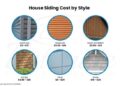
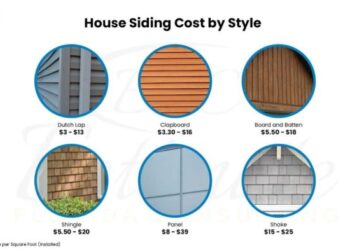
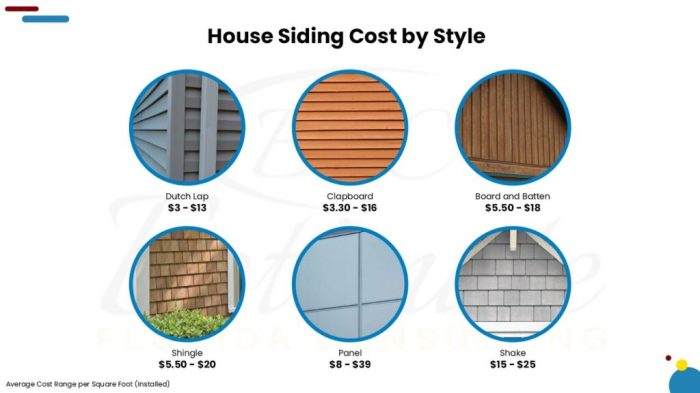
When it comes to siding styles, the cost can vary based on the design and material used. Different styles like clapboard, shingles, or board and batten can have different price ranges, so it's essential to consider your budget and preferences when selecting siding.Overall, understanding the types of windows and siding available, along with their cost implications, can help you make informed decisions for your home improvement project.
Budgeting and cost-saving tips for new windows and siding
When planning for new windows and siding installation, it is crucial to set a realistic budget to ensure a smooth and successful project. Additionally, incorporating cost-saving tips can help you maximize your investment and achieve a high-quality result within your budget constraints.
Setting a Realistic Budget
- Get multiple quotes from reputable contractors to compare prices and services.
- Consider the long-term benefits of high-quality materials that may have a higher upfront cost but lower maintenance expenses over time.
- Factor in additional costs such as installation, permits, and any unforeseen issues that may arise during the project.
- Allocate a contingency fund to cover unexpected expenses and prevent budget overruns.
Cost-Saving Tips during Installation
- Opt for standard sizes and designs to avoid custom fabrication costs.
- DIY certain tasks like painting or cleanup to reduce labor costs.
- Bundle window and siding installations to negotiate a better deal with contractors.
- Consider off-peak seasons for construction to potentially receive discounts or promotions.
Long-Term Benefits of Investing in Quality Materials
- High-quality materials are more durable and require less maintenance, reducing long-term repair and replacement costs.
- Quality windows and siding can enhance energy efficiency, leading to lower utility bills and increased property value.
- Investing in reputable brands with warranties can provide peace of mind and protection against unexpected expenses in the future.
Cost Savings of Energy-Efficient Windows and Siding
- Energy-efficient windows and siding can lower heating and cooling costs by reducing air leakage and heat transfer.
- Government incentives or rebates may be available for installing energy-efficient materials, offering additional cost savings.
- Improved insulation from energy-efficient products can create a more comfortable indoor environment, reducing the need for HVAC usage and saving on energy bills.
Getting accurate cost estimates for new windows and siding
When looking to replace windows and siding, it's crucial to get accurate cost estimates to plan your budget effectively. Obtaining quotes from contractors is a key step in this process.
Process of obtaining quotes from contractors
- Research and shortlist reputable contractors in your area.
- Contact them to schedule a visit to your property for assessment.
- Ensure they provide detailed written estimates outlining the scope of work, materials to be used, and labor costs.
Tips on comparing different quotes effectively
- Look beyond the total cost and compare the breakdown of each quote to understand what is included.
- Consider the quality of materials, warranty offered, and the contractor's reputation when comparing quotes.
- Don't automatically choose the lowest bid; sometimes higher quotes may reflect better quality work.
Importance of including all relevant costs in the estimates
- Ensure that the estimates include all costs such as materials, labor, permits, disposal of old materials, and any additional services required.
- Unexpected costs can significantly impact your budget, so it's essential to have a comprehensive estimate upfront.
Significance of getting a written contract with detailed cost breakdowns
- Having a written contract with a detailed cost breakdown protects both you and the contractor by outlining expectations and preventing misunderstandings.
- Make sure the contract includes the total cost, payment schedule, timeline, warranties, and any other important details agreed upon.
Summary
In conclusion, the journey through the intricacies of new windows and siding costs has unveiled essential considerations for homeowners looking to enhance their living spaces. From understanding cost factors to exploring different materials, this discussion serves as a valuable resource for informed decision-making.
Dive into the world of renovations with newfound knowledge and confidence.
FAQ Summary
What are the key factors influencing the cost of new windows and siding?
The materials used, labor costs, project size, and property location all play a significant role in determining the overall cost.
How do energy-efficient windows differ in cost from standard ones?
Energy-efficient windows generally have a higher upfront cost but can lead to long-term savings through reduced energy bills.
What are some budgeting tips for new windows and siding projects?
Setting a realistic budget, exploring cost-saving strategies during installation, and investing in high-quality materials can help manage expenses effectively.
How can homeowners obtain accurate cost estimates for new windows and siding?
Getting quotes from contractors, comparing them effectively, ensuring all costs are included in estimates, and having a detailed written contract are essential steps in obtaining accurate cost estimates.